
The Missing Self
You Should Have LeftThis flow traces the narrator’s gradual loss of confidence in his body, image, memory, and identity.
increasing Bearing strength in each event
 decreasing
Bearing strength in each eventdecreasingAbsent Reflection
Absent Reflection
The Body Excluded
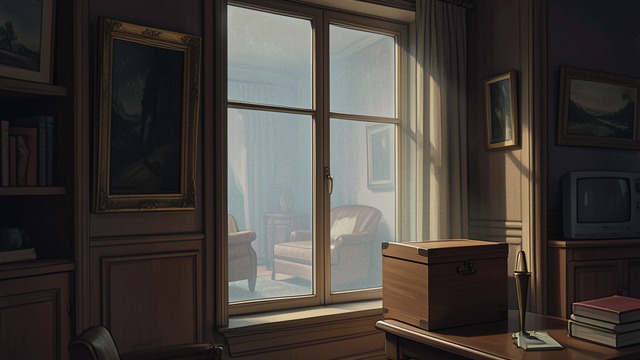
The unnamed narrator sees furniture and his notebook reflected in the window, but not himself. The room acknowledges his possessions while denying his visible presence.
Identity Under Question
He tries to preserve the event in writing, knowing that memory will soon make it seem imaginary. The absent reflection therefore attacks both self-recognition and the authority of testimony.
The Delayed Monitor
The Delayed Monitor
A Double on Screen
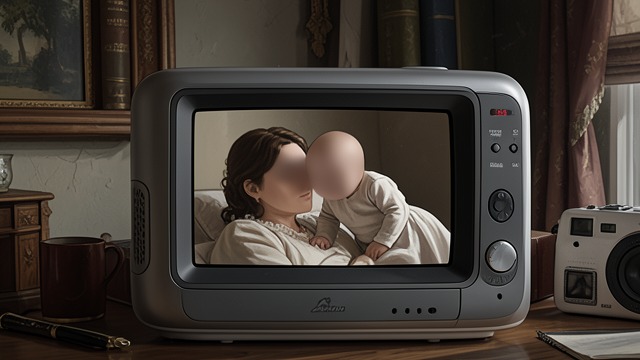
The baby monitor shows a large figure leaning over Esther, then reveals that the figure is the unnamed narrator himself. A supposed signal delay offers a technical explanation, but it cannot erase the terror of seeing oneself displaced.
Witness Against Self
The monitor makes the narrator both observer and observed. Technology no longer confirms reality; it multiplies incompatible versions of the same moment.
The Framed Stranger
The Framed Stranger
An Impossible Photograph
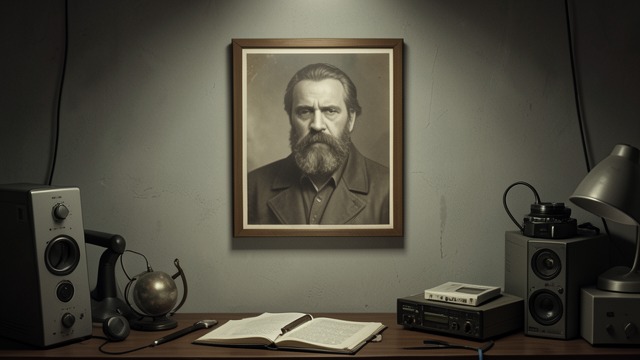
A faded photograph appears on a wall the unnamed narrator had declared empty. The bearded man in the image seems despairing, as though he belongs to a history the house has concealed.
Memory Rewritten
The narrator cannot decide whether he overlooked the picture or whether the house has inserted it. The distinction between failed attention and altered reality becomes impossible to maintain.
The Split Embrace
The Split Embrace
Shared Name
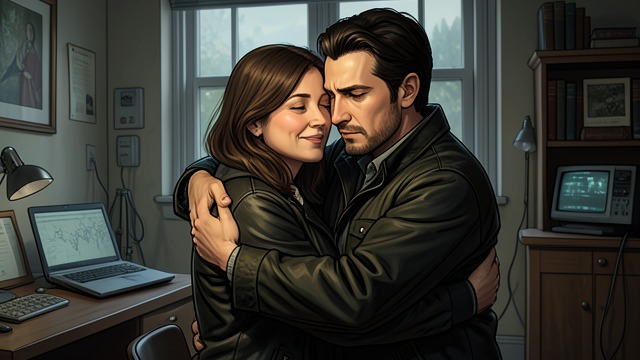
When the unnamed narrator embraces Susanna, he feels divided into two beings. One still loves his wife and daughter, while another has become estranged from the life they represent.
Self Without Continuity
The house has not merely changed his location. It has broken the continuity between the man who entered the mountain and the consciousness that remains there.
The Notebook Reflection
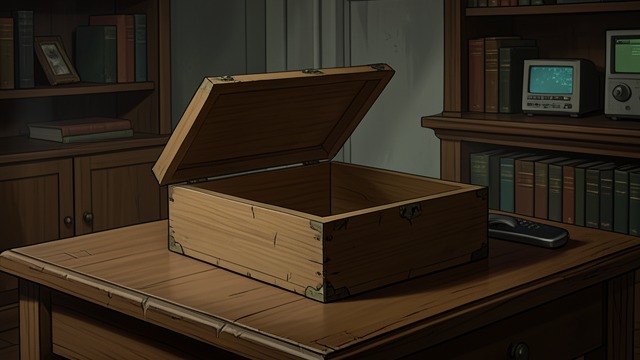
The Notebook Reflection
The Empty Room Again
The final reflection contains the room and a notebook but no person. The object that once recorded the narrator’s presence now survives without its author.
Writing Beyond Identity
The notebook may be evidence, message, or another component of the house’s recursive structure. The narrator’s last certainty is not that he exists, but that something continues to write.
December 3 afternoon
December 5 night
December 5 night
December 7 morning
December 7 evening
